

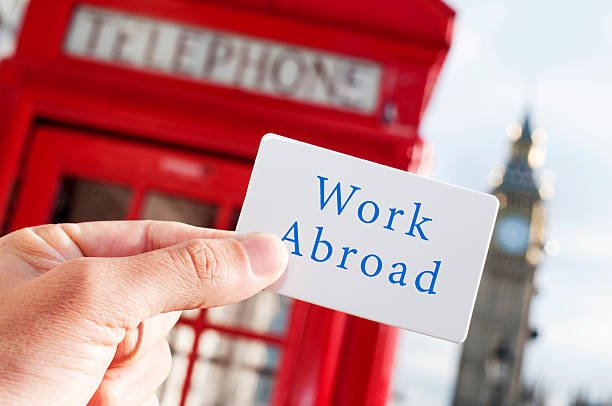
Introduction: Why Relocating Abroad for Work Is a Smart Move in 2026
Relocating abroad for work is no longer just a dream it is a practical strategy for improving your income, advancing your career, and gaining global exposure. In 2026, many developed countries are actively searching for skilled workers to fill labor shortages in key industries.
This creates a major opportunity for individuals who are ready to take the right steps.
Countries such as Canada, Germany, Australia, and New Zealand continue to open their doors to foreign professionals through structured immigration programs. These countries offer not only high salaries but also better working conditions, strong labor laws, and pathways to permanent residency.
However, relocating abroad is not something you should approach casually. You must follow the legal process carefully. Many people make costly mistakes by applying incorrectly, falling for scams, or ignoring visa requirements. The key to success is understanding the system and following a step-by-step approach.
This guide will show you exactly how to relocate abroad for work legally, avoid common mistakes, and increase your chances of success.
What Does It Mean to Relocate Abroad Legally?
Relocating legally means moving to another country with proper authorization from its immigration system. This ensures that you can live and work without facing legal consequences.
To relocate legally, you must:
- Obtain a valid job offer (in most cases)
- Apply for the correct visa or work permit
- Meet all eligibility requirements
- Follow immigration laws and conditions
Working illegally can lead to deportation, visa bans, and long-term restrictions. That is why it is important to always follow the legal pathway.

Step-by-Step Guide to Relocate Abroad for Work Legally
1. Choose the Right Country
Your first step is selecting a country that matches your skills, goals, and financial expectations. Not all countries have the same opportunities or immigration policies.
Popular choices include:
- Canada – Known for structured immigration programs
- Germany – High demand for engineers and IT professionals
- Australia – Points-based skilled migration system
- New Zealand – Skill shortage opportunities
- United Kingdom – Strong job market and global companies
When choosing a country, consider:
- Job demand
- Salary levels
- Cost of living
- Visa requirements
2. Identify In-Demand Jobs
To succeed, you must focus on jobs that are in high demand globally. These jobs are easier to secure and more likely to offer visa sponsorship.
High-demand fields include:
- Information Technology (software engineering, cybersecurity, AI)
- Healthcare (nurses, doctors, caregivers)
- Engineering (civil, mechanical, electrical)
- Skilled trades (electricians, plumbers, welders)
- Construction and infrastructure
If your skills match these sectors, your chances of relocating increase significantly.
3. Understand Work Visa Options
Each country has different visa systems, but most fall into these categories:
Skilled Worker Visa
This is the most common route. It is based on your qualifications and job offer.
Employer-Sponsored Visa
Your employer supports your visa application.
Points-Based Visa
Countries like Australia use a system based on age, skills, and experience.
Temporary Work Visa
Allows short-term employment, often renewable.
Understanding the right visa type is critical to your success.
4. Prepare Your Documents
You need to prepare your documents carefully to avoid delays or rejection.
Common requirements include:
- Valid passport
- Professional CV
- Academic certificates
- Work experience letters
- Language test results (IELTS, TOEFL)
- Police clearance
- Medical examination
Make sure all documents are accurate and properly formatted.
5. Build a Strong CV and Profile
Your CV is your first impression. A strong CV increases your chances of getting hired.
Tips:
- Use a clean, professional format
- Highlight achievements, not just responsibilities
- Include measurable results
- Tailor your CV to each job
Also, optimize your LinkedIn profile to attract recruiters.
6. Apply for Jobs Strategically
Do not apply randomly. Focus on jobs that match your skills and offer sponsorship.
Best platforms:
- Indeed
- Glassdoor
Apply consistently and follow up when necessary.
7. Secure a Job Offer
Most countries require a job offer before issuing a visa. Employers may sponsor your visa if they cannot find local candidates.
Once you receive an offer, your relocation process becomes easier.
8. Apply for a Work Visa
After securing a job, apply for your visa.
Steps usually include:
- Online application
- Biometrics appointment
- Medical and background checks
- Document submission
9. Plan Your Relocation
After approval, prepare for your move:
- Book flights
- Arrange accommodation
- Budget for expenses
- Understand local laws
Best Countries to Relocate for Work in 2026
Canada
Offers multiple immigration pathways and high job demand.
Germany
Strong economy with demand for engineers and IT professionals.
Australia
Points-based system with high salaries.
New Zealand
Friendly immigration policies and good work-life balance.
United Kingdom
Global job market with visa sponsorship opportunities.

Cost of Relocating Abroad
Relocation costs vary but typically include:
- Visa fees
- Flight tickets
- Accommodation
- Initial living expenses
Planning your budget is essential to avoid financial stress.
Benefits of Relocating Abroad
- Higher income potential
- Better career growth
- International exposure
- Improved quality of life
- Pathway to permanent residency
Challenges You May Face
- Visa restrictions
- Job competition
- Cultural adjustment
- Cost of living
- Language barriers
Being prepared helps you overcome these challenges.
Common Mistakes to Avoid
- Applying without research
- Submitting incomplete documents
- Falling for scams
- Ignoring visa rules
- Using a weak CV
Tips to Increase Your Success Rate
- Learn high-demand skills
- Apply consistently
- Network with professionals
- Stay updated on immigration policies
- Be patient and persistent
Final Thoughts
Relocating abroad for work legally in 2026 is one of the most powerful decisions you can make for your future. It opens the door to better income, global opportunities, and long-term stability. However, success depends on preparation, strategy, and consistency.
You must follow the legal process, choose the right country, and focus on in-demand skills. By taking the right steps and avoiding common mistakes, you can significantly improve your chances of success.
The opportunity is there but you must take action. Start preparing today, apply consistently, and stay committed to your goal. With the right approach, you can successfully relocate and build a rewarding international career.
FAQs
1. Can I relocate abroad without a job offer?
Some countries allow it, but most require a job offer for a work visa.
2. Which country is easiest to relocate to?
Countries like Canada and Australia offer structured immigration systems.
3. Do I need a degree to work abroad?
Not always. Skilled trades and experience can qualify you.
4. How long does the process take?
It can take weeks to months depending on the country.
5. Can I relocate with my family?
Yes, many visas allow dependents.
6. Is relocation expensive?
Yes, but proper planning helps manage costs.
7. Can I get permanent residency?
Yes, many work visas lead to permanent residency.
8. What jobs are easiest to get abroad?
IT, healthcare, and skilled trades are in high demand.
